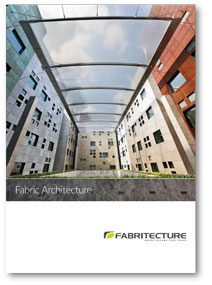
Fabric Architecture
Bespoke architectural structures for retail, art, facades, stadiums and playgrounds.

Fabritecture is an international market-leading designer and developer of bespoke tensile architecture and fabric structures. We operate as a ‘specialist design and construct contractor’ for the design, supply, fabrication and installation of tensile fabric structures and special projects that combine steel, aluminium and other forms of cladding.
Bespoke architectural structures for retail, art, facades, stadiums and playgrounds.
Modular fabric buildings with various profiles to suit aviation, sports, industrial, mining and event industries.
Custom architectural structures using cladding, steel and aluminium.

We offer design, engineering, project management, supply, fabrication, installation & maintenance.

We work with some of the biggest builders & architects in the world.


Our team is highly trained & specialised, and safety being our first priority.
Bespoke tensile fabric architectural projects.
Structures incorporating single, double and triple layer ETFE foil.
Custom architectural structures using cladding, steel and aluminium.
Flexible sports structures from local sports facilities to stadiums.
Commercial airlines, Government and private operators, and military hangars.
Single bay car park solutions to large commercial building and retail centres.
Aquatic enclosures with internal environmental and acoustic control and optional accessories.
Storage, warehousing and manufacturing facilities with modular designed structures.